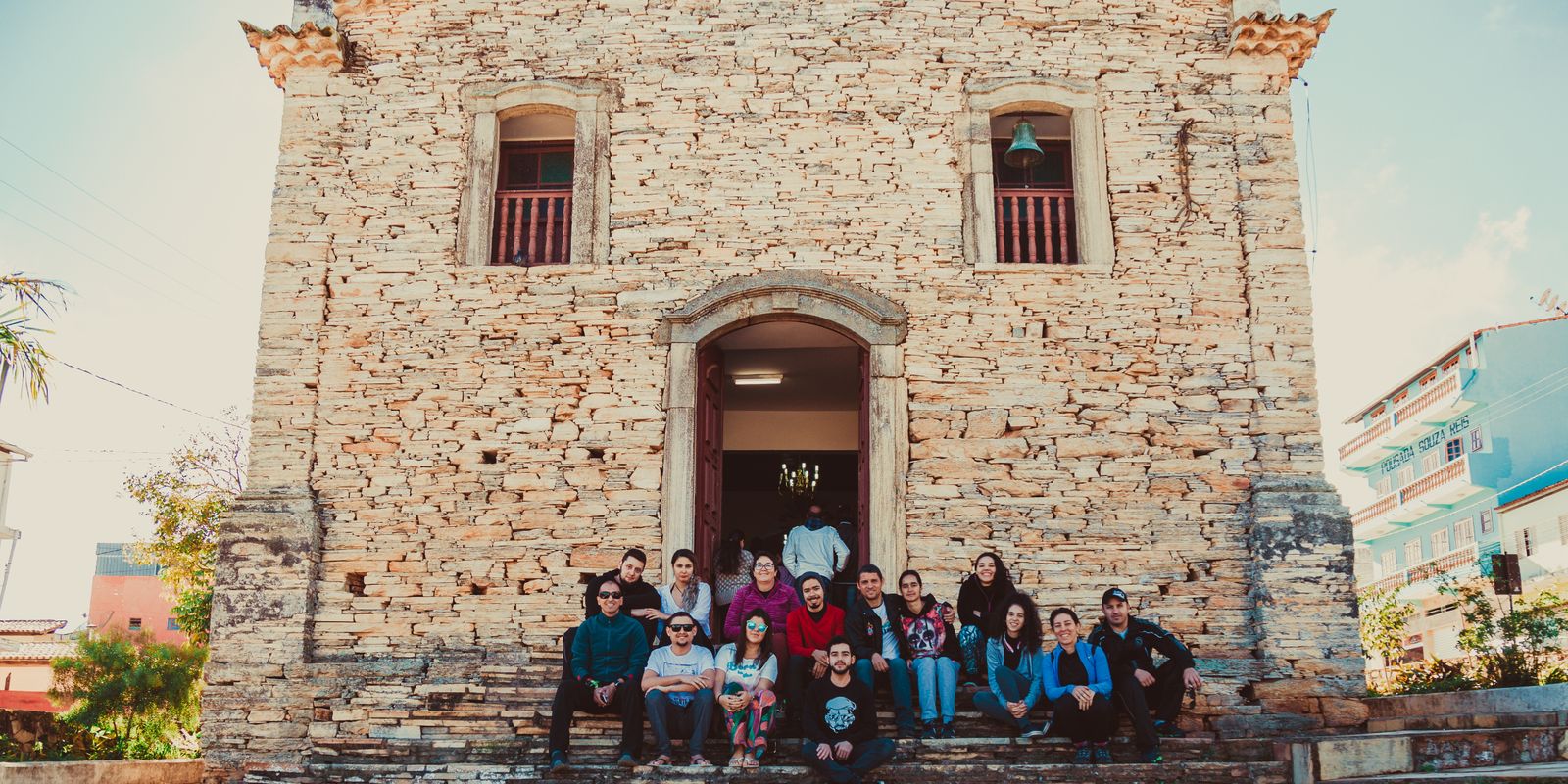
Self-guided · metro area, Texas
Historic Churches in Austin, TX
Listed churches and chapels near you, many still holding services in the building their founders put up.
Architecture is history you can still walk into. The Austin–Round Rock–San Marcos, TX metro area has about 2,620,945 residents, ranking 25th in the country. The trick is knowing which doors have a story behind them.


On the record near Austin, TX
The 12 nearest
20 listed sites on the record match historic churches within 30 miles of Austin, TX, out of 41 listed sites of every kind within 25 miles.
- Buda Christian Church14 miles from the center of Austin · Hays CountyRecorded Texas Historic Landmark
- Palm Valley Lutheran Church19 miles from the center of Austin · Williamson CountyRecorded Texas Historic Landmark
- Mt. Olive Baptist Church22 miles from the center of Austin · Bastrop CountyRecorded Texas Historic Landmark
- Blanco Chapel22 miles from the center of Austin · Hays CountyRecorded Texas Historic Landmark
- Elgin Methodist Church23 miles from the center of Austin · Bastrop CountyRecorded Texas Historic Landmark
- St. Peters United Church of Christ25 miles from the center of Austin · Williamson CountyRecorded Texas Historic Landmark
- First United Methodist Church of Georgetown26 miles from the center of Austin · Williamson CountyRecorded Texas Historic Landmark
- First Presbyterian Church26 miles from the center of Austin · Williamson CountyRecorded Texas Historic Landmark
- Wesley Chapel A.M.E. Church26 miles from the center of Austin · Williamson CountyRecorded Texas Historic Landmark
- Emmanuel Episcopal Church27 miles from the center of Austin · Caldwell CountyRecorded Texas Historic Landmark
- First Christian Church (Disciples of Christ) of Lockhart27 miles from the center of Austin · Caldwell CountyRecorded Texas Historic Landmark
- Ebenezer Lutheran Church27 miles from the center of Austin · Caldwell CountyRecorded Texas Historic Landmark
Distances are straight-line from the center of Austin, TX. Many sites are private property or working buildings - view them from the public way. See them on the map.
Historic Churches in Austin, step by step
- 1
See every listed site of this kind in the area
- 2
Sort by distance and pick the closest few
- 3
Read the record for the year, the builder and the use
- 4
View from the public way and note what has changed
- 5
Collect the set and move on to the next county
What people in Austin, TX ask first
How much does it cost to visit these sites in Austin, TX?
Most listed sites can be seen from a public road or sidewalk at no cost, and the app is free to use. Some sites are private homes, working churches or museums with their own hours and fees. The record for each one says what it is, so you know before you go.
Where does the information on these sites come from?
From published records: the National Register of Historic Places, the Recorded Texas Historic Landmark program, and the Georgia Historical Society and Georgia Department of Natural Resources marker program. Every site on the page names its source.
Are these buildings open to the public?
Some are, many are not. Churches, courthouses and libraries usually keep regular hours. Houses, barns and mills are often private and best seen from the road. The record for each site tells you which kind it is.
What does it mean when a site is on the National Register?
It means the property was documented and accepted as historically significant. Listing honors the site, it does not open it to visitors or stop an owner from using it.
How a visit works in Austin
- Step 1
Find the place
Every stop starts as a pin with real coordinates. In Austin, TX the map shows what is listed around you and how far each one is, so the first decision is where to go, and it takes a few seconds.
- Step 2
Read the story
The record behind each marker is kept whole: what happened there, when, who was involved, and why it was worth a sign. You read it standing where it happened, which is the part a textbook cannot give you.
- Step 3
Get there under your own power
Walk it, run it, hike it, ride it or drive it. Stops in Austin, TX are chained into routes that fit the way you move, so a lunch break, a long run or a Saturday drive can all pass through history.
- Step 4
Collect it and come back
Each stop you reach counts toward a badge, and a photo or a correction you send makes the record better for the next person. The map remembers where you have been, so the next trip starts where the last one ended.
The rules that make it work
The record comes first
Every site on these pages comes from a published register or marker program, with its source named. Nothing is listed that is not on the record.
Read the whole story
A marker is a few lines on a post. The story behind it is longer, and it includes the hard parts. Both are worth the stop.
Movement makes it stick
People remember the places they walked to. A route through five markers teaches more than fifty marker pages read on a couch.
Local beats famous
The marker two streets over usually has a better story than the one in the guidebook, and nobody else is standing in front of it.
Respect the ground
Many sites are private homes, working churches or cemeteries. View from the public way, follow posted hours, and leave it as you found it.
Every visitor can improve it
Markers go missing, get moved, or carry mistakes. A photo or a location fix from the person standing there is how the record stays right.
More ways in around Austin, TX


Historic Churches near Austin
- Historic Churches in Travis County, TX
- Historic Churches in Pflugerville, TX
- Historic Churches in Cedar Park, TX
- Historic Churches in Round Rock, TX
- Historic Churches in Williamson County, TX
- Historic Churches in Hays County, TX
- Historic Churches in Bastrop County, TX
- Historic Churches in Georgetown, TX
- Historic Churches in Caldwell County, TX
- Historic Churches in San Marcos, TX